Scholarship 1 Scholarship 2 Scholarship 3
UPTO 100% SCHOLARSHIPSAPPLY BY 02 JULY 2026
00
DAYS
00
HRS
00
MIN
00
SEC

Research Cluster

Research cluster within the education department serves several important purposes, contributing significantly to the academic and practical aspects of education.
reaserch-cluster-img-1
  • 6 lakh+

    consultancy earned

  • 39 lakh+

    funding received

reaserch-cluster-img-2

The research group’s prime focus will be on a few research questions. i.e. Is the current curriculum designed to cater to Holistic Education and inclusive education? What is the status regarding current practices and the framework for holistic and Inclusive education?

Research Group Summary

The National Education Policy 2020 proposes the revision and revamping of all aspects of education, including the educational structure, regulations, and governance, to create a new system that is aligned with the aspirational goals of 21st century students.

reaserch-cluster-img-3
reaserch-cluster-img-4

What are the different pedagogical practices (teaching, learning, assessment, and guidance) that need to be updated? What could be the most effective Technology integrated solutions and instructional frameworks and models to cater to these challenges and achieve the goals of NEP? What are the fundamentals of curriculum, pedagogy, and evaluation that need revision?

The research group envisions bringing out the outcomes in the form of a survey report to be submitted to the government in addition to the solutions in the form of frameworks, models, and technology-based products.

AI and Digital Tools in Education

  • AI-Enabled Teaching–Learning Systems: Research on adaptive learning platforms, intelligent tutoring systems, and AI-driven personalization to enhance learner engagement and achievement across diverse educational contexts.
  • Learning Analytics and Educational Data Science: Application of big data, learning analytics, and predictive modelling to understand learner behaviour, improve retention, and support evidence-based academic decision-making.
  • Digital Pedagogies and Technology-Integrated Instruction: Exploration of innovative pedagogical models such as blended learning, flipped classrooms, MOOCs, virtual labs, and immersive technologies (AR/VR) in formal and open learning environments.
  • AI for Assessment, Evaluation, and Academic Integrity: Development and evaluation of AI-based assessment tools, automated feedback systems, and ethical frameworks addressing academic integrity, transparency, and responsible AI use.
  • Teacher Professional Development and AI Readiness: Research on digital competence, AI readiness, and capacity-building models for teachers and educational leaders, with a focus on equity, inclusion, and the Indian educational context.

Research Cluster Outcome 1

  • Enhanced Teaching and Learning Effectiveness: Generation of evidence-based practices that improve learning outcomes, learner engagement, and instructional quality through AI and digital innovations.
  • Policy and Practice-Oriented Research Outputs: Contribution to institutional, national, and international policy frameworks on AI integration in education, aligned with NEP-2020 and UNESCO guidelines.
  • Capacity Building and Digital Empowerment: Strengthened digital and AI competencies among teachers, researchers, and students, fostering a future-ready academic ecosystem.
  • Scholarly Publications and Innovation-Driven Impact: High-quality research publications, funded projects, and technology-enabled educational models contributing to global knowledge creation and societal impact.
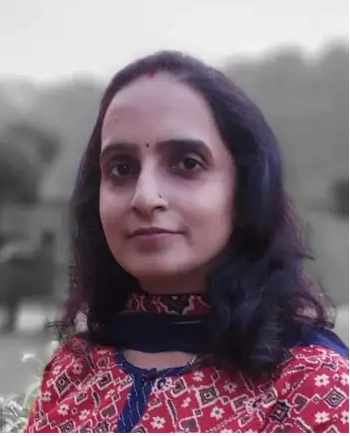
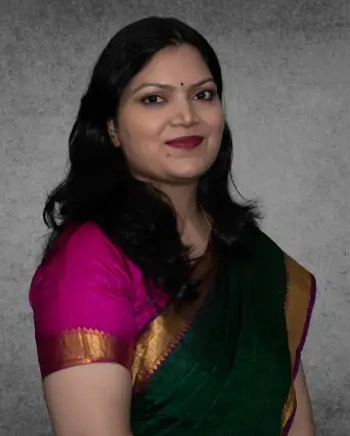
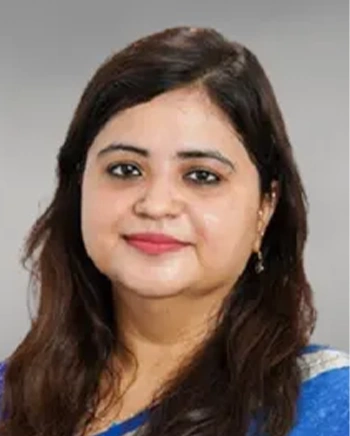
Dr.Rashee
Assistant Professor, Department of Education and Humanities
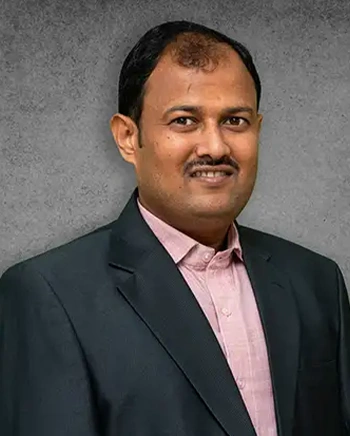
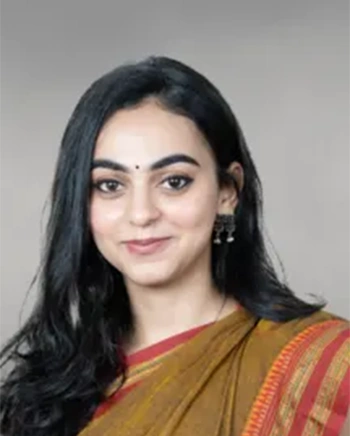
Dr.Ritu
Assistant Professor, Department of Education and Humanities

Indigenous Knowledge Systems

Focus Areas

  • Integration of Indigenous Knowledge into Curriculum and Pedagogy: Research on incorporating indigenous, tribal, and local knowledge systems into school and higher education curricula to promote contextualized, culturally responsive learning.
  • Indian Knowledge Systems and Classical Textual Traditions: Scholarly exploration of knowledge traditions rooted in the Vedas, Upanishads, epics, philosophical schools, regional literatures, and oral traditions, and their educational relevance in contemporary classrooms.
  • Community-Based and Experiential Learning Practices: Study of indigenous modes of knowledge transmission such as apprenticeship, storytelling, observation, lived practice, and intergenerational learning within communities.
  • Language, Culture, and Indigenous Epistemologies: Research on the role of mother tongues, local languages, and cultural practices in knowledge construction, identity formation, and inclusive education.
  • Indigenous Knowledge for Sustainability and Social Well-Being: Examination of indigenous perspectives on ecology, health, ethics, governance, and sustainable living, and their application to education for sustainable development.

Research Cluster Outcome 2

  • Culturally Rooted and Inclusive Educational Practices: Development of pedagogical models that respect cultural diversity, promote inclusivity, and validate indigenous ways of knowing within formal education systems.
  • Curriculum Innovation Aligned with NEP-2020 and IKS Mandate: Design of curriculum frameworks, teaching resources, and policy inputs supporting the integration of Indigenous Knowledge Systems in education.
  • Preservation and Revitalization of Indigenous Knowledge: Systematic documentation, digitization, and scholarly dissemination of indigenous knowledge, languages, and practices through research and academic engagement.
  • Global Recognition and Scholarly Contribution: High-impact research publications, collaborative projects, and international dialogue positioning indigenous knowledge as a valuable contributor to global educational thought.
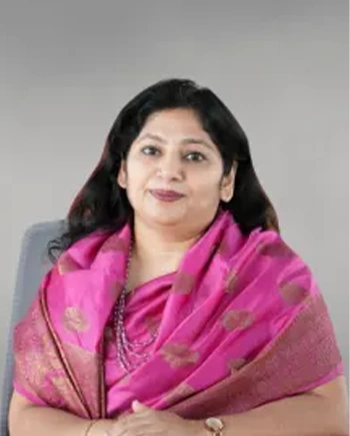
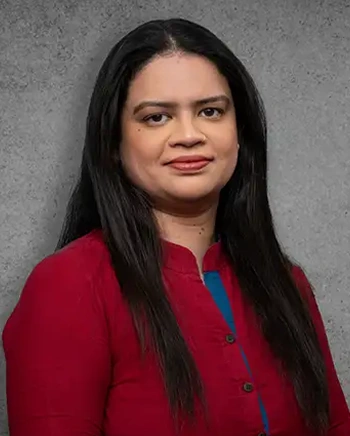
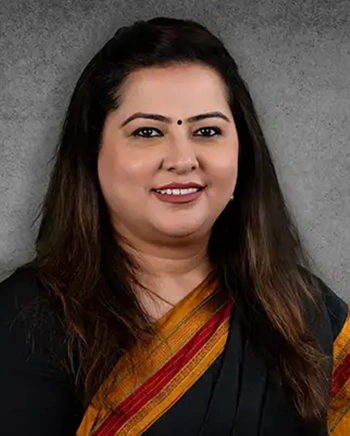
Dean, School of Education and Humanities
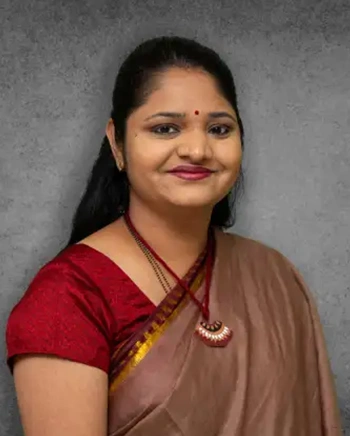
Assistant Professor, Department of Education and Humanities
Associate Professor, Department of Education and Humanities
Assistant Professor, Department of Education and Humanities

Progressive Pedagogy and Curriculum Design

Focus Areas

  • Learner-Centred and Constructivist Pedagogies: Research on active learning approaches such as inquiry-based learning, problem-based learning, experiential learning, and collaborative classrooms that promote critical thinking and deep understanding.
  • Competency-Based and Outcome-Oriented Curriculum Design: Exploration of curriculum frameworks that emphasize competencies, transferable skills, interdisciplinary learning, and alignment between learning outcomes, pedagogy, and assessment.
  • Interdisciplinary and Multidisciplinary Curriculum Innovations: Study of flexible, choice-based, and interdisciplinary curriculum models integrating arts, sciences, technology, and social sciences to foster holistic learner development.
  • Assessment Reforms and Feedback-Driven Learning: Research on formative assessment, authentic evaluation, rubrics, portfolio-based assessment, and feedback mechanisms that support continuous learning and reflective practice.
  • Equity, Inclusion, and Universal Design for Learning (UDL): Investigation of inclusive pedagogical strategies and curriculum designs that address diverse learner needs, learning styles, and socio-cultural contexts.

Research Cluster Outcomes

  • Innovative and Future-Ready Curriculum Models: Development of flexible, inclusive, and competency-based curricula aligned with NEP-2020 and global educational standards.
  • Enhanced Teaching Effectiveness and Student Engagement: Evidence-based pedagogical practices that improve learner motivation, participation, and academic success across educational levels.
  • Institutional and Policy-Level Impact: Research outputs informing curriculum reforms, teacher education programmes, and policy initiatives at institutional, regional, and national levels.
  • Scholarly Excellence and Capacity Building: High-quality publications, funded projects, and professional development initiatives strengthening pedagogical leadership and educational innovation.
Assistant Professor, Department of Education and Humanities

Early Childhood Education

Focus Areas

  • Foundational Learning and Development (Ages 3–8): Research on cognitive, socio-emotional, language, physical, and moral development during early childhood, with emphasis on play-based and developmentally appropriate practices.
  • Curriculum and Pedagogy in Early Years Education: Study of child-centred, activity-based, and experiential pedagogies aligned with the National Curriculum Framework for the Foundational Stage (NCF-FS).
  • Teacher Preparation and Professional Development in ECE: Research on pre-service and in-service training models, teacher competencies, and reflective practices for early childhood educators.
  • Family, Community, and Home–School Partnerships: Exploration of parental engagement, community participation, and culturally responsive practices in supporting early learning and holistic child development.
  • Equity, Inclusion, and Early Intervention: Investigation of inclusive education strategies, early identification of learning needs, and intervention models for children from diverse and marginalized backgrounds.

Research Cluster Outcome

  • Strengthened Foundations for Lifelong Learning: Evidence-based practices enhancing school readiness, early literacy, numeracy, and socio-emotional well-being.
  • Curriculum and Pedagogical Innovations in ECE: Development of child-friendly curriculum frameworks, learning resources, and assessment practices aligned with NEP-2020.
  • Enhanced Capacity of Early Childhood Educators: Improved teacher preparation programmes and professional development models supporting high-quality early years education.
  • Policy and Community Impact: Research contributions informing national and state-level policies, early intervention programmes, and community-based initiatives.
Assistant Professor, Department of Education and Humanities

Educational Leadership

Focus Areas

  • Leadership for School and Higher Education Effectiveness: Research on instructional leadership, transformational leadership, and distributed leadership models that enhance institutional quality, accountability, and learner outcomes.
  • Policy, Governance, and Educational Reforms: Study of leadership roles in implementing educational policies, institutional governance structures, quality assurance mechanisms, and reform initiatives at various levels.
  • Teacher Leadership and Professional Learning Communities: Exploration of leadership capacities among teachers, mentoring practices, collaborative cultures, and professional learning communities for sustained school improvement.
  • Ethical, Inclusive, and Values-Based Leadership: Research on ethical decision-making, inclusive leadership practices, social justice, and value-based approaches in educational organizations.
  • Leadership Development and Capacity Building: Investigation of leadership preparation programmes, continuous professional development, and succession planning for educational leaders in diverse contexts.

Research Cluster Outcome

  • Strengthened Leadership Capacity in Educational Institutions: Development of effective leadership frameworks that improve institutional performance, teaching quality, and student achievement.
  • Evidence-Based Policy and Governance Contributions: Research insights informing leadership practices, governance models, and policy implementation at institutional, state, and national levels.
  • Enhanced Professional Culture and Collaboration: Promotion of teacher leadership, collaborative practices, and reflective professional cultures within educational organizations.
  • Scholarly Impact and Leadership Innovation: High-quality research publications, leadership development modules, and best-practice models contributing to national and global educational leadership discourse.
HoD, School of Education and Humanities
Assistant Professor, Department of Education and Humanities

Inclusive Education and Holistic Wellbeing

Focus Areas

  • Inclusive Pedagogies and Universal Design for Learning (UDL): Research on learner-centred pedagogies, differentiated instruction, and UDL frameworks that address diverse learning needs and abilities in inclusive classrooms.
  • Equity, Access, and Social Justice in Education: Study of educational inclusion related to gender, socio-economic status, disability, language, and cultural diversity, with a focus on reducing barriers to participation and achievement.
  • Social, Emotional, and Mental Wellbeing in Educational Settings: Exploration of social-emotional learning (SEL), emotional regulation, resilience, and mental health support systems for students and educators.
  • Holistic Development through Values, Life Skills, and Citizenship Education: Research on value-based education, life skills, mindfulness, ethical education, and citizenship aimed at nurturing balanced, responsible, and compassionate learners.
  • Institutional Practices and Support Systems for Inclusion and Wellbeing: Investigation of inclusive policies, school climate, counselling services, peer support models, and community partnerships that promote wellbeing and belonging.

Research Cluster Outcome

  • Inclusive and Supportive Learning Environments: Development of evidence-based practices that foster accessibility, belonging, and positive wellbeing for all learners.
  • Strengthened Social-Emotional Competence and Resilience: Research-informed models enhancing emotional wellbeing, mental health awareness, and life skills among students and educators.
  • Policy and Practice Contributions to Inclusive Education: Actionable insights supporting institutional reforms, inclusive policies, and wellbeing-oriented educational practices aligned with NEP-2020.
  • Scholarly Impact and Community Engagement: High-quality research outputs, capacity-building initiatives, and collaborations that advance inclusive and holistic education at local, national, and global levels.
HoD, School of Education and Humanities
Assistant Professor, Department of Education and Humanities
Associate Professor, Department of Education and Humanities
  • reaserch-cluster-img-6
  • Research Cluster outcome:

    • Development of a Policy document
    • Setting up of a Vocational Education/ Skill center in Manav Rachna University.
    • Skill centers to be set up in different schools of MRIIS in a phased manner

Cluster Members

Dr.Geetha
Professor & Dean
Dr.Rashee
HoD, Department of Education & Humanities, MRU
Dr.Ritu
Associate Professor
Dr.-Arvinder-Kaur
Assistant Professor
Ms.-Nibedita-Hazarika
Assistant Professor
Dr.Kriti
Assistant Professor
Ms.Eram
Assistant Professor
chandra-prakash-singh (3)
Assistant Professor
Mr.-Sharv-Datt-Anand
Assistant Professor

Contact Us

Icon location ADDRESS

Sector – 43, Aravalli Hills, Delhi – Surajkund Road, Faridabad – 121004, (Haryana), India