B.Tech branches like Computer Science, AI, Data Science, and ECE offer strong scopes in 2026. The best choice depends on your interests and career goals. Manav Rachna helps connect your strengths with the right engineering path.
Introduction
Engineering’s changing fast. A wave of transformation across AI, automation, sustainability and digital technology is setting the career map for engineering graduates wildly apart from where it was even five years ago, and that wave is only gaining momentum.
So, it’s worth one moment to pause on or before you commit up a specific branch of the trade. Every specialisation in engineering opens up a different avenue of access, and having a quick glance at the way forward can help you put your energy into a path that’s relevant and future-proof.
What Determines the Scope of a B.Tech Branch?
Before jumping into branch recommendations or reviewing a B.Tech courses list, it helps to understand what actually determines scope, so you can evaluate options yourself rather than just following trends. If you’re trying to judge the scope of any engineering track, you can look at a few practical points:
Industry demand: Is there a steady and increasing need for professionals in that exact area? When the branch has high demand, it usually means more job security and better starting pay
Emerging technologies: Does the branch link you with new, fast-moving domains like AI, robotics, or clean energy? Branches that ride innovation tend to give stronger long-term momentum
Placement opportunities: Are major companies actually recruiting graduates from this discipline? You want the degree to convert into real job offers after you finish, not just certificates
Higher education and research potential: Do the branch support strong routes for Masters degrees or experimental research work? This matters if you want to go deeper and not stay only at the entry level
Global career relevance: Will the skills you build be accepted and asked for internationally? A solid branch helps you work abroad, without your qualification losing its value, even in different markets
B. Tech Branches That Have Real Strong Career Potential in 2026
Here are the branches that consistently come up when looking at where industry demand is heading, based on how technology and infrastructure are evolving:
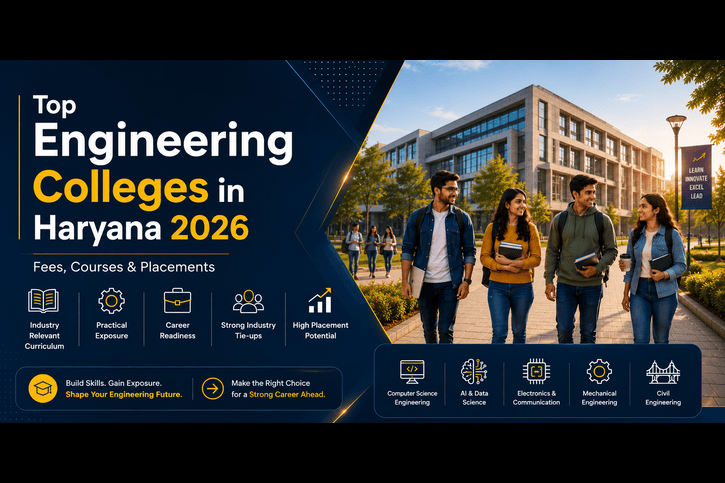
Computer Science Engineering (CSE): CSE keeps getting huge, steadily growing demand in software engineering, AI applications, cloud services, and cybersecurity. Since almost every organization is basically a digital organization now, CSE graduates stay wanted across sectors.
Artificial Intelligence, and Machine Learning: This branch opens up interesting passages into AI powered industries, plus fresh roles that keep growing. People in here build and polish smart systems that will, shaping how industries operate over the next decade.
Data Science and Analytics: Firms are leaning hard on data centered decisions across almost every field, so this branch remains highly relevant. Data scientists help teams spot patterns, make everyday workflows run better, and estimate what might happen next inside the market.
Electronics and Communication Engineering (ECE): ECE folks are central for the Internet of Things (IoT) automation, telecom networks, and advanced embedded systems. They design the hardware layer that lets software function in the real world.
Mechanical Engineering: Mechanical Engineering today goes well beyond traditional machinery, it’s also about advanced manufacturing, automation, and next generation systems. The area is updating fast, especially with robotics and 3D printing showing up in more industries.
Civil Engineering: The worldwide trend towards growing population makes modern infrastructure, modern smart cities, and modern sustainable development projects thrive. As a result, the demand for civil engineers to build environmentally friendly cities and efficient transportation networks is growing one step at a time.
Beyond Popularity: Picking a Branch That Actually Fits Your Strengths
Choosing a branch shouldn't come down to rankings or trends alone. The real value is in matching what you're naturally good at with the right path, so you grow through the degree rather than just getting through it.
If you’re into technology and programming: CSE, AI/ML, and Data Science are the usual best bets. You’ll stay close to coding, intricate algorithms and software building. If you enjoy logical puzzles, debugging, and that whole “solve it” vibe, this is probably your lane.
If you’re into design and innovation: Mechanical Engineering or Automobile Engineering can be a strong match. You get to design tangible products, iterate on mechanical systems, and improve how things work in the physical world. This suits hands-on builders, and people who like creating stuff not just reading about it.
If you’re into infrastructure and development: Civil Engineering is ideal if you want to shape the built environment, from large bridges to modern smart cities. It fits those who want to leave a clear, visible footprint on the environment, not something vague that disappears after a semester.
If you’re into research and newer technologies: ECE, or other specialized tech tracks, can be the right direction. You can work with hardware, microchips, and the latest communication devices. It’s especially good for people who pay attention to small details, and who enjoy complex electronics.
How Engineering Careers Are Changing in 2026
The engineering landscape in 2026 isn't the same one that shaped career advice from five years ago. Here's where things are heading:
AI and Automation Impact: Engineers are navigating higher-level thinking and learning to labour in collaboration, rather than against, the rise of advanced engineering tools as AI takes on a larger share of routine work.
Interdisciplinary Engineering Roles: It's no longer enough for engineers to specialise. Mechanical engineers will increasingly need to be software-literate, and software engineers will be expected to understand hardware. The most valuable engineers in 2026 are those who don't limit themselves.
Sustainability-Focused Careers: Sustainable technology, renewable energy and sustainable practices are no longer optional, they're starting to be taken as baseline. Green engineering is in demand now and looking to the future.
Rise of Digital Engineering Skills: Comfort with digital tools, virtual modelling, and data analysis is now expected across nearly all engineering fields. Even Civil Engineering leans heavily on digital simulation software, making digital fluency essential regardless of branch.
What matters more than choosing the "Best" branch?
Choosing the right branch matters, but long-term success depends on considerably more than the degree title itself. This section is meant to be high value kind of guidance, to keep your career growing instead of stalling. Try to keep your attention on a few core things, like these:
Skill Development: Get really strong in the specific technical skills, but also the softer ones that modern employers look for. Being able to communicate and work with people matters about as much as your coding or math abilities.
Internships and Projects: Real world experience often weighs more than spotless academic grades. Having a portfolio full of actual projects can make you noticeable to recruiters right away, like very quickly.
Industry Certifications: Grab extra credentials tied to specialized tools, or methodologies, to separate yourself from the usual crowd. A certification in cloud computing, project management, or specialized design software basically signals you are committed, and not just browsing ideas.
Practical Learning and Exposure: Join hands on labs, workshops, and hackathons so you can use what you learn immediately. Theory is fine, but only if you can execute it in practice, otherwise it’s just “knowing about”.
Continuous Upskilling: The tech industry changes fast, so commit to improving your skills the whole time. What you learn in your first year may already feel outdated by the time you graduate, so staying flexible is the real deal.
If you stay focused on these areas, you avoid letting the article, and your whole career plan, turn into something only about the branch. You end up with a more versatile professional profile instead.
Conclusion
There is no single "best" B.Tech branch that works for all. The scope of your future depends on the branch you pick, how well you build practical skills and industry readiness, and where the industry is headed at the time of your graduation.
Manav Rachna's engineering programmes are designed to make you do just that; match your interest with the appropriate specialisation, build real skills through our practical learning environment and industry engagement and a career that is forward-thinking. Pick wisely, stay learning, stay adaptable- that is what builds a strong career in engineering.
Frequently Asked Questions
Q1. Which B.Tech branch offers the highest career growth in 2026?
Currently, the sectors for openings and compensation growth in CS, AI and DS fields are leading the pack, but there are other solid high-potential career fields for trained graduates and ECE and reworked ME tracks are also worth considering.
Q2. Are emerging branches like AI and Data Science better than traditional engineering branches?
Not better, just suited to different industry needs. Traditional branches are increasingly integrating AI and data analytics into core practice, so both emerging and classic pathways have meaningful, forward-looking futures.
Q3. How should students choose a B.Tech branch after Class 12?
First map your true interests. Then look at long term demand and think which core subjects - coding, physics or design, feel natural to you. Comfort with the latter will make your degree more productive and your future career more viable.
Q4. Do engineering careers depend more on the branch or the skills developed during the degree?
The branch opens the door for you, your first interview or role. But to sustain your growth over years, real skills, real internships and the ability to work with evolving technology matters a lot more than the department on your degree.


.png)












 ADDRESS